

5 Key Benefits of Gardening for Seniors in 2026
Gardening provides seniors a unique blend of physical exercise, mental stimulation, and emotional tranquility. This accessible hobby reduces stress, improves mobility, and offers a deep sense of accomplishment. Whether through individual flower beds or community plots, gardening fosters vital social connections and nutritional benefits from homegrown produce.
Why is Gardening Great "Therapy" for Seniors?
Sometimes all I want to do is stay home and spend time in my garden - my haven in my backyard. And it's no wonder - gardening is often described as a form of therapy because it engages all five senses while providing a low-impact workout that doesn't feel like a chore.
For manyseniors, the act of nurturing a living thing from a tiny seed to a blooming flower or a ripening tomato provides a profound sense of purpose. This "green therapy" is a natural way to decompress from the stresses of daily life, offering a quiet space to reflect and find peace in the rhythm of nature. It’s not just about the plants; it’s about the environment you create for yourself—a personal sanctuary where the only deadline is when the sun goes down.
From a physical perspective, gardening is an ideal way to stay active without the high-impact stress of a gym. It involves a variety of movements that promote flexibility and strength:
- Low-impact aerobic exercise: Digging, planting, and weeding burn calories and improve heart health.
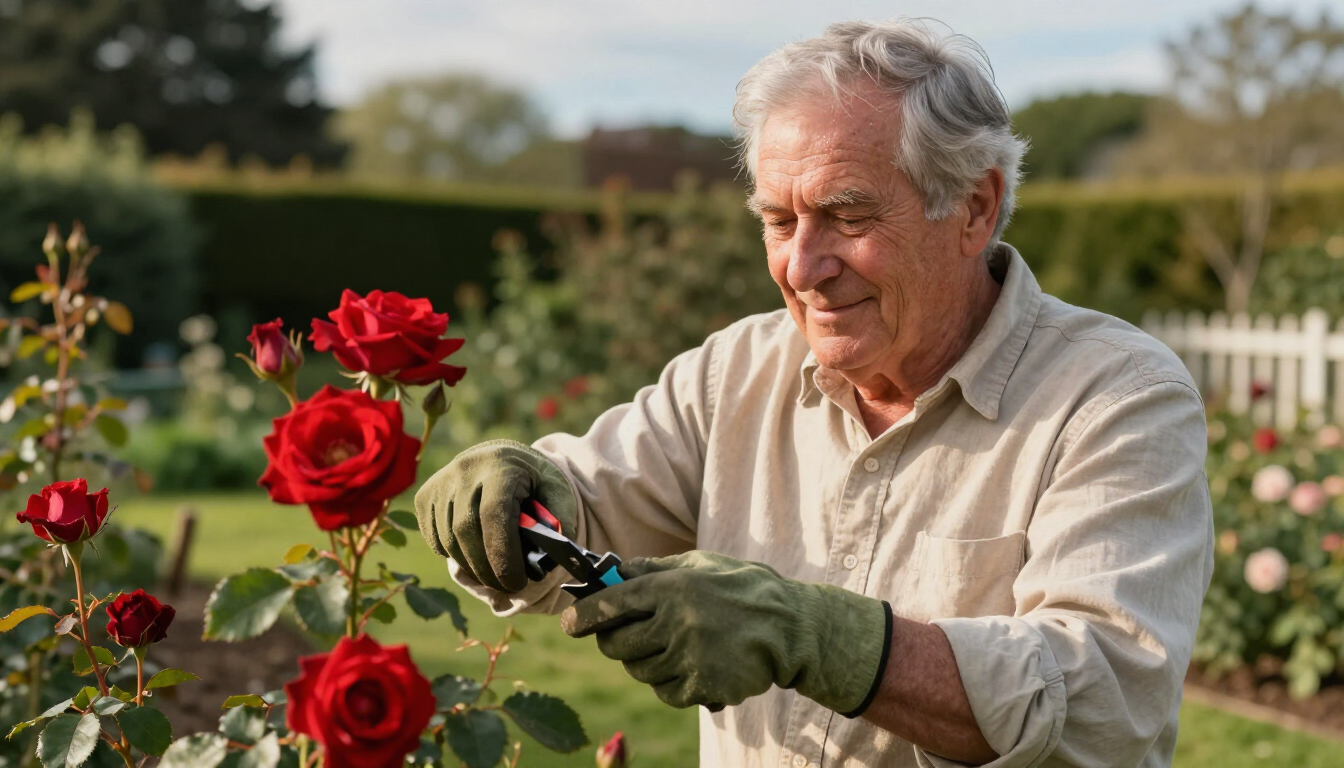
- Fine motor skills: Pruning delicate roses or handling small seeds keeps hands and fingers limber.
- Vitamin D exposure: Spending time in the sun helps the body produce Vitamin D, essential for bone health.
- Balance and coordination: Moving through a garden and reaching for tools helps maintain stability.
- Flexibility: Gentle stretching while reaching for low-hanging fruit or tall branches keeps joints moving.
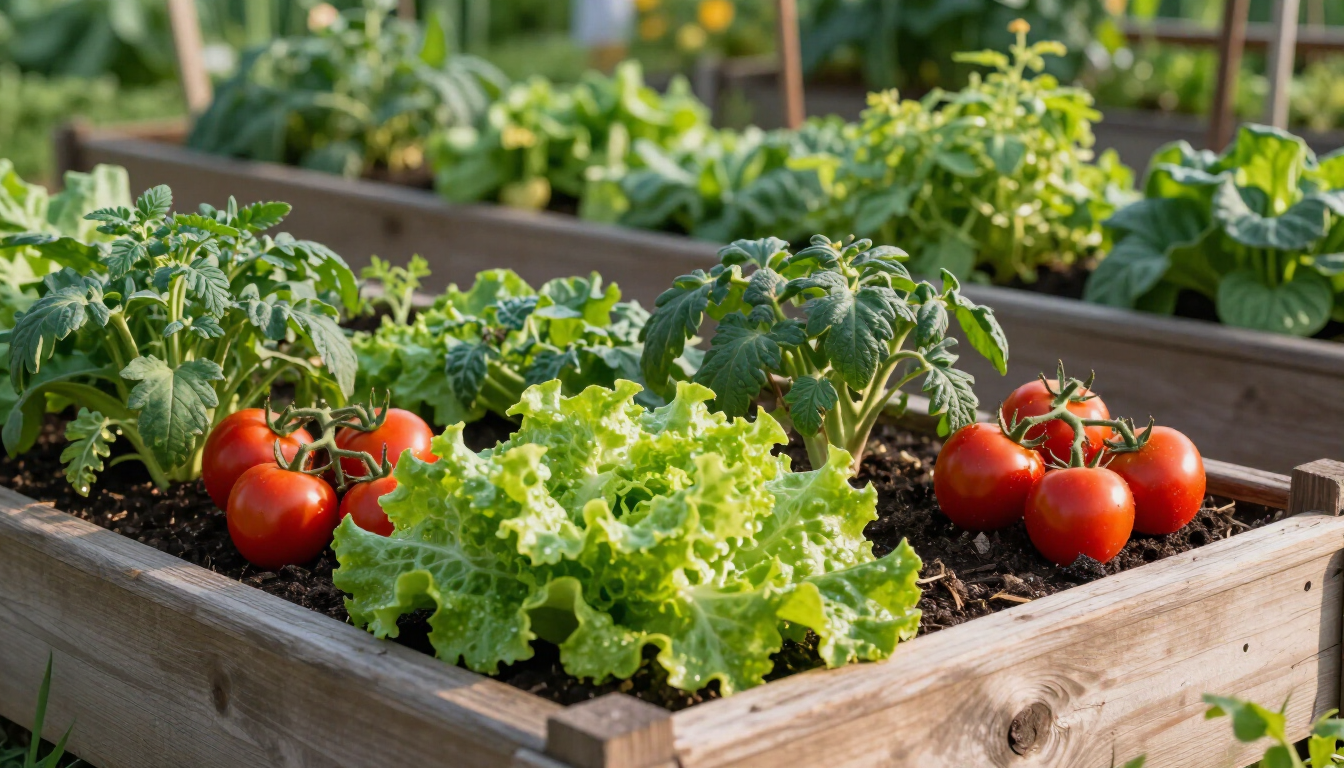
Maintaining a beautiful garden takes time and effort, which is why many homeowners look into their financial options, such as a reverse mortgage , to ensure they have the resources to modify their landscape for ease of use. Whether it's installing raised garden beds to avoid bending over or adding a high-quality irrigation system, having the right setup makes this therapeutic hobby even more enjoyable as you age.
How Does Digging in the Dirt Boost Your Mood?
There is a scientific reason why gardeners always seem so happy. Research has shown that a specific type of healthy bacteria found in soil, Mycobacterium vaccae , can actually trigger the release of serotonin in the brain. Serotonin is the "feel-good" hormone that helps regulate mood and reduce anxiety. When you spend time digging in the earth, you are literally coming into contact with natural antidepressants. For seniors, this can be a powerful tool in combating the feelings of isolation or seasonal blues that sometimes accompany retirement.
Beyond the chemical benefits, gardening offers a unique intellectual challenge. It requires planning, problem-solving, and continuous learning. You have to decide which plants thrive in your specific microclimate, how to rotate crops to keep the soil healthy, and how to protect your garden from local pests. This cognitive engagement is vital for keeping the mind sharp. Many adult children find that encouraging their parents to start a garden project is a wonderful way to keep them mentally engaged and excited about a long-term goal.
Gardening is also a lesson in mindfulness. When you are focused on the task at hand—whether it’s carefully removing a weed or admiring the intricate pattern on a leaf—you aren't worrying about the past or the future. You are present in the moment. This state of "flow" is a key component of emotional well-being. It provides a healthy distraction from physical aches or worries, allowing the mind to rest in the beauty of the present. Many people find that their best ideas and most peaceful thoughts come to them while they are quietly working among their flowers.
Cultivating Social Connections and Community Bonds
One of the most heart-warming aspects of gardening is its ability to bring people together. While many enjoy the solitude of their private backyard, gardening is inherently social. Community gardens have seen a massive surge in popularity, providing a space where seniors can meet neighbors of all ages. These shared spaces are hubs of knowledge exchange where seasoned gardeners can pass down tips to younger generations, fostering a sense of community and belonging that is often missing in modern life.
For those who prefer to garden at home, the hobby provides a beautiful bridge to connect with family members. Imagine the joy of teaching a grandchild how to plant their first pumpkin or watching a spouse’s face light up when they see the first lilies of the season bloom. It’s an activity that transcends generational gaps. Grandkids love the "magic" of watching things grow, and the garden becomes an outdoor classroom where you can teach them about nature, patience, and the environment.
- Sharing the bounty: Giving away extra tomatoes or bouquets to neighbors builds goodwill.
- Garden clubs: Joining local groups allows for socializing and shared learning.
- Family traditions: Planting an annual vegetable garden with kids creates lasting memories.
- Volunteer opportunities: Helping maintain public parks or school gardens provides social purpose.
- Shared labor: Working alongside a spouse on a garden project strengthens your partnership.
If you're curious about how others have successfully transitioned into a lifestyle that prioritizes these hobbies, you might check our FAQs for common questions about financial stability in retirement. Having the peace of mind that your home is working for you allows you to focus on the things that truly matter, like these precious social moments in the dirt.
Reaping the Rewards of Your Personal Oasis
There is nothing quite like the satisfaction of sitting down to a dinner made with vegetables you grew yourself. The flavor of a sun-ripened tomato or a sprig of fresh basil is incomparable to anything you can buy in a store. For seniors, this provides a double benefit: a sense of accomplishment and a boost in nutrition. When you grow your own food, you are more likely to eat a diet rich in fresh produce, which is essential for maintaining health and energy levels in your later years.
In addition to the physical harvest, the visual reward of a well-tended flower garden is a constant source of pride. Looking out your window and seeing a riot of colors that you nurtured into existence provides a daily dose of joy. It transforms your house into a true home—a place that reflects your personality and care. This aesthetic satisfaction contributes significantly to a positive outlook on life, reminding you every day of your ability to create beauty and life. If you want to learn more about the person behind these tips, feel free to visit our about page to see our commitment to senior well-being.
To wrap up, gardening is a multifaceted gem for any senior looking to improve their quality of life. It’s a hobby that gives back as much as you put into it, offering rewards for the body, the mind, and the soul. From the quiet peace of a morning watering session to the bustling fun of a harvest with the grandkids, the garden is a place of endless possibility and encouragement.
Key Takeaways for Senior Gardeners
- Embrace the physical movement: Gardening is a gentle way to stay fit and flexible.
- Feed your soul: The mental health benefits of nature and soil are scientifically proven.
- Stay connected: Use your garden as a tool to bond with family and meet your community.
- Start small: You don't need a farm; a few pots on a sunny patio can provide huge benefits.
- Enjoy the fruits: There is profound satisfaction in eating what you grow and viewing what you plant.
Whether you are a lifelong green thumb or a complete beginner, there has never been a better time to start your garden journey. It’s more than just a hobby; it’s a lifestyle choice that celebrates growth, patience, and the simple beauty of the world around us. So, grab your gloves, find a sunny spot, and start digging—your mind and body will thank you!
What will you plant this year?