
Redefining Retirement: Designing a Life You Don’t Need a Vacation From

Reimagine Your Retired Life

For many years, retirement was framed as a finish line. You worked hard, stayed responsible, and someday you would finally be free to relax. The reward for decades of effort was time — time to travel, to rest, to enjoy life without obligation.


But for many people stepping into retirement today, that old definition doesn’t quite fit anymore.


Retirement isn’t about escaping life. It’s about reimagining it. It’s a chance to slow down without stopping, to enjoy freedom without feeling untethered, and to design days that feel meaningful — not just busy or distracting.


In other words, retirement becomes less about planning the next getaway and more about creating a life you genuinely enjoy waking up to each morning.


One of the first realizations many retirees have is that unlimited free time can feel surprisingly unfamiliar. Without work schedules or professional roles, the question quietly shifts from “What do I do?” to “Who am I now?”


That moment can feel unsettling — but it’s also an invitation.


Retirement gives you the rare opportunity to be intentional about your days in a way that wasn’t always possible before. Instead of filling time, you get to shape it. Instead of rushing, you can choose rhythm.


A helpful place to begin isn’t with a list of activities, but with a much simpler question: How do you want your days to feel? Calm? Energized? Connected? Secure? Curious?


When you design retirement around feelings rather than obligations, your choices become clearer. You may discover that fulfillment comes from slow mornings and familiar routines, meaningful conversations, time outdoors, creative pursuits, or simply having space to breathe. These are the moments that quietly add up to a life that feels full — without needing constant escape.


That’s where the idea of rhythm becomes so important.


While retirement often removes rigid schedules, most people still thrive with a gentle sense of structure. Not alarms or deadlines — just natural flow. Morning walks. Coffee on the patio. Weekly lunches with friends. Time set aside for hobbies, volunteering, or learning something new. Even quiet evenings can become something to look forward to rather than something to fill.


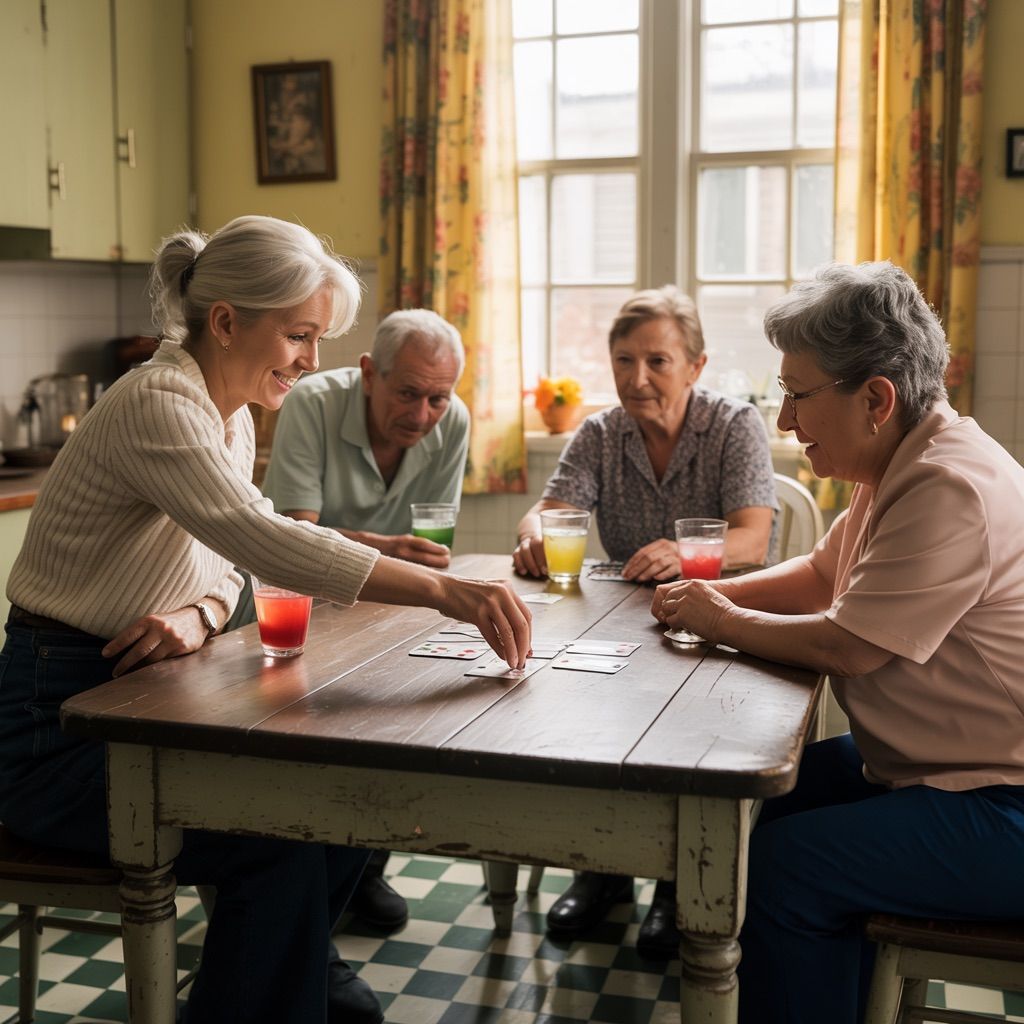
Four older adults playing cards at a kitchen table, drinking colorful beverages.

These rhythms give your days shape and purpose without pressure, allowing life to feel steady instead of repetitive.


As retirement settles in, many people also notice that their home takes on a deeper role. It’s no longer just where you sleep between obligations — it becomes the center of daily life. It’s where routines are built, guests are welcomed, interests are explored, and comfort matters more than ever.


When your home supports your lifestyle — physically, emotionally, and practically — it creates a sense of ease that carries into every part of retirement. Feeling safe, comfortable, and confident in your living space allows you to focus on living well rather than worrying about what might need to change later.


Of course, peace of mind in retirement isn’t only emotional — it’s financial, too.

A life you don’t need a vacation from is one where financial stress doesn’t quietly dictate your decisions. That doesn’t mean having unlimited resources; it means having options. Flexibility. A plan that adapts as life does.


For many retirees, their home equity becomes part of that bigger picture. When used thoughtfully, it can support monthly cash flow, home improvements, travel, or simply provide reassurance that you’re prepared — without turning your life upside down. The goal isn’t extravagance. It’s confidence. Knowing you can say yes when something matters and no when it doesn’t.


Over time, many retirees realize that success itself looks different now. It’s no longer measured by productivity or titles, but by alignment.


Success might mean sleeping well at night, being present for family milestones, maintaining independence, or having the freedom to move through life at a pace that feels right. It might mean fewer obligations and more intention — fewer expectations and more enjoyment.


And that’s where the true redefinition of retirement begins.


The most fulfilling retirements aren’t built around constant activity or distraction. They’re built around clarity, balance, and choice. When your days are designed with care — emotionally, financially, and practically — retirement becomes less about getting away and more about settling in. Settling into a life that feels genuinely yours.


A life where joy isn’t postponed.
A life where comfort and purpose coexist.
A life you don’t need a vacation from — because you’re already living it.


By Linda Weilert October 14, 2025
How Finding Your Purpose in Retirement Can Keep You Young at Heart
Elderly couple rakes leaves in front of a house in autumn; one rakes while the other cleans the window.
By Linda Weilert September 29, 2025
Stay cozy and safe this autumn with easy home maintenance tips for seniors—covering heating, safety checks, and simple ways to prepare for cooler weather.
By Linda Weilert September 9, 2025
Unlock Your Retirement with a Reverse Mortgage Line of Credit
By Linda Weilert July 23, 2025
Enjoy Your Retirement Without Worry
By Linda Weilert June 19, 2025
I had the pleasure of speaking with Sebastian "Seb" Frey from Compass about Reverse Mortgages. It was a great conversation. (Please forgive the lag!) And thank you to Seb for inviting me!
By Linda Weilert June 8, 2025
Fireworks can be Terrifying for Your Furry Friend.
An elderly couple and two children are posing for a picture.
By Linda Weilert June 4, 2025
Stretch Your Travel Dollars and Have a Great Time
By Linda Weilert May 2, 2025
Retirement is the perfect time to slow down, savor life - and maybe adopt a furry friend.
By Claudia Loens March 12, 2025
Spring is the perfect time to refresh your home and clear out the clutter. But for seniors, the idea of spring cleaning can feel overwhelming. The good news is that spring cleaning doesn’t have to be hard or time-consuming. With a little planning and some smart strategies, you can give your home a fresh start without feeling stressed or exhausted. Here’s an easy step-by-step guide to make spring cleaning simple and rewarding for seniors. Make a Plan and Keep it Manageable Before you start, make a list of what you’d like to accomplish. Breaking down the cleaning process into smaller, manageable tasks helps you avoid feeling overwhelmed. Focus on one room or task at a time and give yourself plenty of breaks. Start small: Begin with an easy task like dusting or organizing a drawer. If you only feel like cleaning for 10–15 minutes at a time, that’s okay! Celebrate small wins—each little improvement adds up. Tip: Write down your list and check off each task as you complete it. Seeing your progress can be very motivating! Declutter First Spring cleaning is the perfect time to get rid of items you no longer need or use. Clutter can increase stress and even create safety hazards by causing trips and falls. Easy ways to declutter: Start with one drawer or shelf at a time. Use the “keep, donate, discard” method. Ask yourself: "Have I used this in the last year?" If not, it's probably time to let it go. What to donate: Clothing in good condition Unused kitchen gadgets Books and magazines Extra home decor or knick-knacks Consider donating to local thrift stores or charity shops—your unused items could be a treasure for someone else! Many places will pick up your items for you! Focus on Safety and Comfort While cleaning, take the opportunity to make your home safer and more comfortable: ✅ Remove tripping hazards like loose rugs or cluttered walkways. ✅ Ensure that furniture is arranged for easy movement. ✅ Check smoke detectors and replace batteries if needed. ✅ Install grab bars in the bathroom or near stairs if necessary. ✅ Replace lightbulbs to improve visibility and prevent falls. By making these simple adjustments, you’ll create a more comfortable and secure environment. Tackle One Area at a Time Instead of trying to clean the entire house in one day, focus on one area at a time: Kitchen: Clean out the refrigerator and toss expired items. Wipe down counters and cabinet doors. Organize your pantry and donate extra food you won’t use. Clean microwave by boiling hot water and wipe it down Living Room: Dust shelves, lamps, and furniture. Vacuum or clean carpets and rugs. Refresh pillows and throws by washing or airing them out. Bedroom: Wash bedding, including blankets and mattress covers. Rotate your mattress. Organize your closet and donate clothes you no longer wear. Bathroom: Clean out the medicine cabinet and dispose of expired medications properly. Wipe down mirrors, sinks, and shower surfaces. Replace old towels with fresh ones. Ask for Help if Needed If certain tasks feel physically challenging, don’t hesitate to ask for help. Friends, family members, or even a professional cleaning service can make a big difference. You can also make spring cleaning a social activity! Invite a friend over to help and enjoy some quality time together. Keep It Light and Enjoy the Process Spring cleaning doesn’t have to be a chore—it can be a refreshing experience. Turn on some music, open the windows to let in fresh air, and enjoy the feeling of making your space cleaner and more comfortable. Bonus Tip: Bring a bit of spring indoors by adding fresh flowers or houseplants to brighten up the space! Maintain the Clean with Small Habits Once you’ve finished your spring cleaning, keep the momentum going with a few simple habits: Spend 5–10 minutes tidying up each day. Create a weekly cleaning routine that includes dusting, vacuuming, and wiping down surfaces. Keep clutter under control by following a “one in, one out” rule—if you bring something new into the house, donate or discard something else. Feel Good About Your Space Spring cleaning is about more than just having a tidy home—it’s about creating a space where you feel comfortable, safe, and happy. Take it at your own pace, and don’t stress if it takes a little longer than expected. What matters most is that you feel good in your home!
By Claudia Loens March 12, 2025
Gardening isn’t just about growing flowers and vegetables —it’s about nurturing your mind, body, and spirit. For seniors, gardening offers a wonderful way to stay active, reduce stress, and improve overall well-being. Whether you have a large backyard or a small patio with potted plants, spending time with your hands in the soil can bring surprising benefits. Here are five ways gardening is especially good for seniors. 1. Improves Physical Health Gardening is a low-impact form of exercise that helps seniors stay physically active without putting too much strain on the body. Activities like digging, planting, watering, and weeding engage various muscle groups, improving strength, flexibility, and coordination. According to the Centers for Disease Control and Prevention (CDC), gardening for just 30 minutes a day can help lower the risk of heart disease, stroke, and obesity. Benefits include: Improved hand-eye coordination Increased strength and flexibility Better balance, reducing the risk of falls To make gardening more comfortable, consider raised garden beds or ergonomic tools designed for seniors to reduce strain on the knees and back. 2. Boosts Mental Health and Reduces Stress Gardening has been shown to lower cortisol levels (the stress hormone) and boost mood. The calming nature of being outdoors, feeling the sun on your face, and connecting with nature helps reduce feelings of anxiety and depression. The repetitive, mindful actions of tending to plants promote relaxation and a sense of accomplishment. Studies have also found that exposure to natural light and fresh air increases the production of serotonin, the "feel-good" chemical in the brain. Even a short time in the garden each day can help seniors feel more grounded and peaceful. 3. Enhances Cognitive Function Gardening engages the brain by encouraging problem-solving, planning, and creativity. Deciding what to plant, remembering how to care for different types of plants, and troubleshooting issues like pests or overwatering keep the mind active and sharp. Research has shown that seniors who garden regularly experience slower cognitive decline and have a lower risk of developing dementia and Alzheimer's disease. The combination of physical activity, sensory stimulation, and mental focus creates a powerful recipe for maintaining brain health. 4. Encourages Social Connection Gardening can be a social activity, too! Community gardens and neighborhood gardening clubs offer opportunities to connect with others, share tips, and build friendships. Seniors who engage with others regularly tend to have higher levels of happiness and lower rates of loneliness. Invite friends or family members to help with your garden or share your produce with neighbors. Bonding over a shared interest like gardening creates a strong sense of belonging and purpose. 5. Provides a Sense of Purpose and Accomplishment Watching a seed grow into a thriving plant is incredibly rewarding. Gardening gives seniors a sense of purpose, which is especially important during retirement when daily routines can shift. Nurturing a living thing, whether it’s a tomato plant or a rose bush, creates a feeling of achievement and pride. Seniors who feel a sense of purpose tend to have better mental and physical health, and gardening is an excellent way to foster that feeling. Plus, harvesting your own vegetables or cutting fresh flowers for your home brings a sense of satisfaction like no other! Tips for Seniors to Make Gardening Easier: Use lightweight tools with easy grips. Consider raised garden beds or vertical planters to reduce bending and kneeling. Create a comfortable sitting area where you can rest and enjoy your work. Focus on low-maintenance plants like succulents, perennials, and herbs. Garden during the cooler parts of the day to avoid heat and dehydration. Start Small and Enjoy the Process Gardening doesn’t have to be complicated or time-consuming to be rewarding. Start with a few easy plants and gradually expand as you feel more comfortable. Remember, the goal isn’t perfection—it’s to enjoy the process and the benefits that come with it. Gardening is truly one of the best ways for seniors to stay active, connected, and happy. So put on those gardening gloves, grab a watering can, and start planting! Your mind and body will thank you.
Show More