Walking: Simple, Accessible, Powerful
Sometimes the most effective activity is also the simplest. Walking requires no special equipment and can be adjusted to your pace and comfort level. Whether it’s a morning neighborhood stroll, a park trail, or a walking group with friends, consistent walking supports heart health, balance, and mental clarity.
Adding small challenges — like light hills or slightly longer distances — can keep things interesting without overwhelming your body.
Strength Training: Protecting Independence
Strength training becomes increasingly important as we age. Maintaining muscle mass helps with balance, posture, and everyday movements like climbing stairs or carrying groceries.
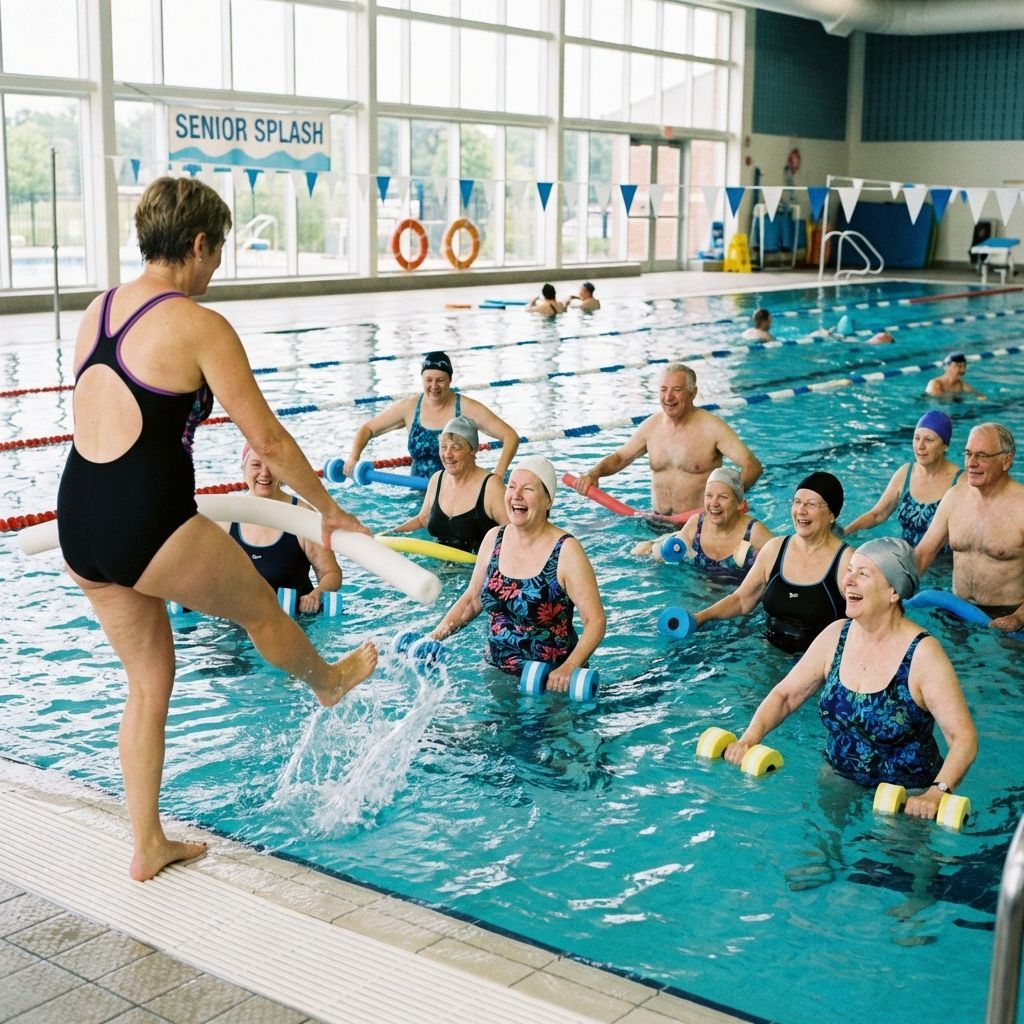
This doesn’t require heavy weights or intense sessions. Light dumbbells, resistance bands, or supervised strength classes can provide meaningful benefits. Even bodyweight exercises done consistently can make a noticeable difference.
Before beginning a new routine, it’s always wise to consult a healthcare provider, especially if you have existing conditions or injuries.
Yoga and Stretching: Supporting Flexibility and Balance
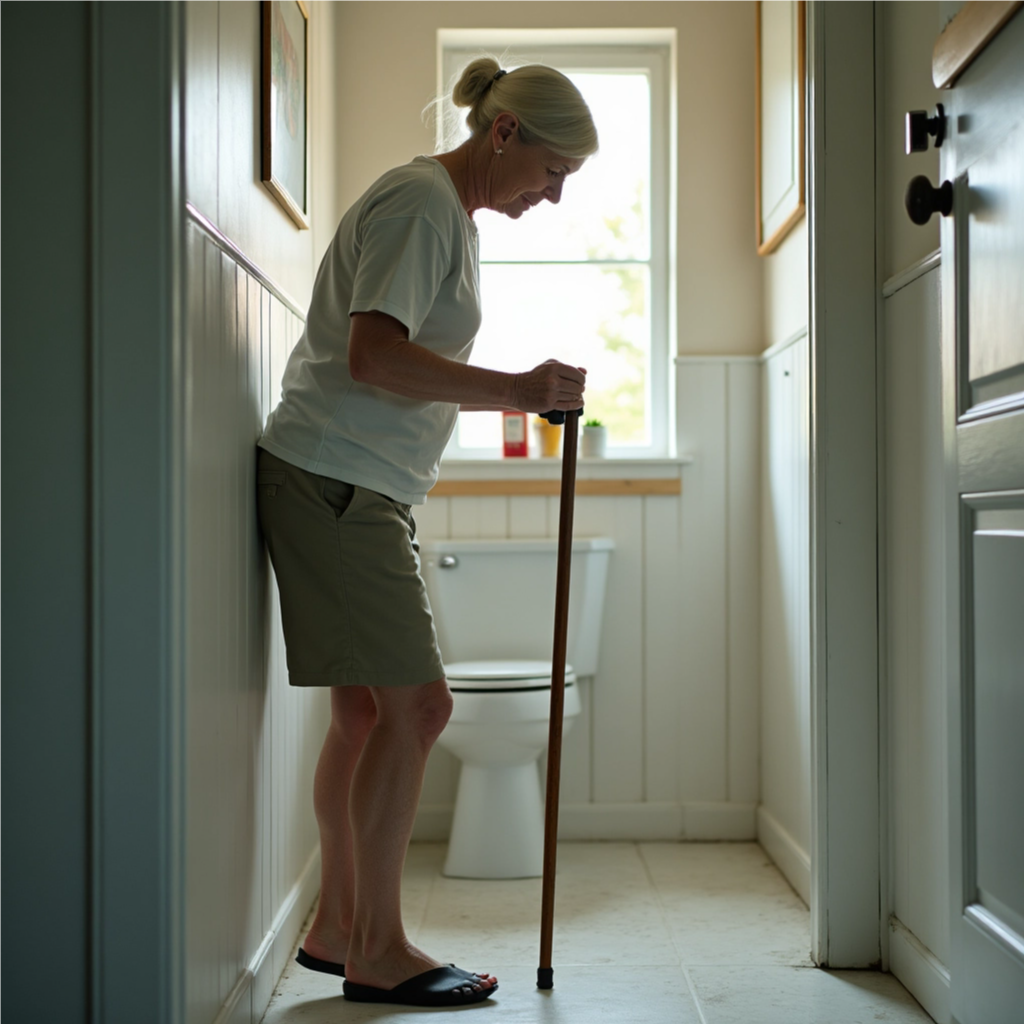
Flexibility and balance are often overlooked but play a major role in fall prevention.
Gentle yoga, tai chi, and guided stretching improve range of motion and coordination while also calming the nervous system.
Many retirees appreciate that these activities combine physical movement with mental relaxation. They support both body and mind — a powerful combination for overall wellness.
Listening to Your Body
One of the advantages of this stage of life is wisdom. You know your body better than you did years ago. Staying active should feel energizing, not punishing.
Mild soreness when starting something new can be normal, but sharp pain or persistent discomfort is not. Choosing supportive footwear, warming up before activity, staying hydrated, and allowing recovery time are all part of a smart approach.
The goal isn’t to prove anything. It’s to preserve your ability to live independently and comfortably for years to come.
The Bigger Picture
Staying active after 60 isn’t about chasing a certain number on a scale or keeping up with anyone else. It’s about protecting your quality of life.
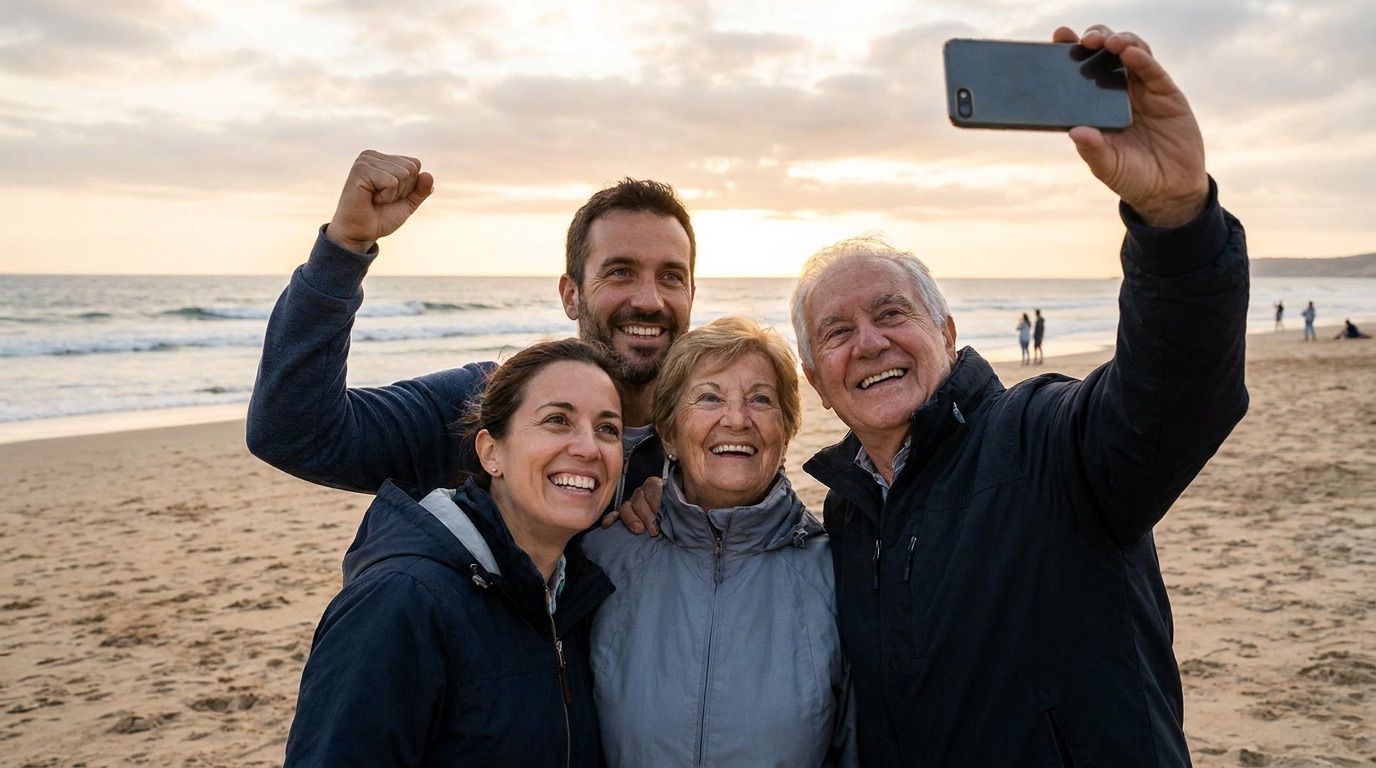
It’s about having the strength to travel when you want to travel.
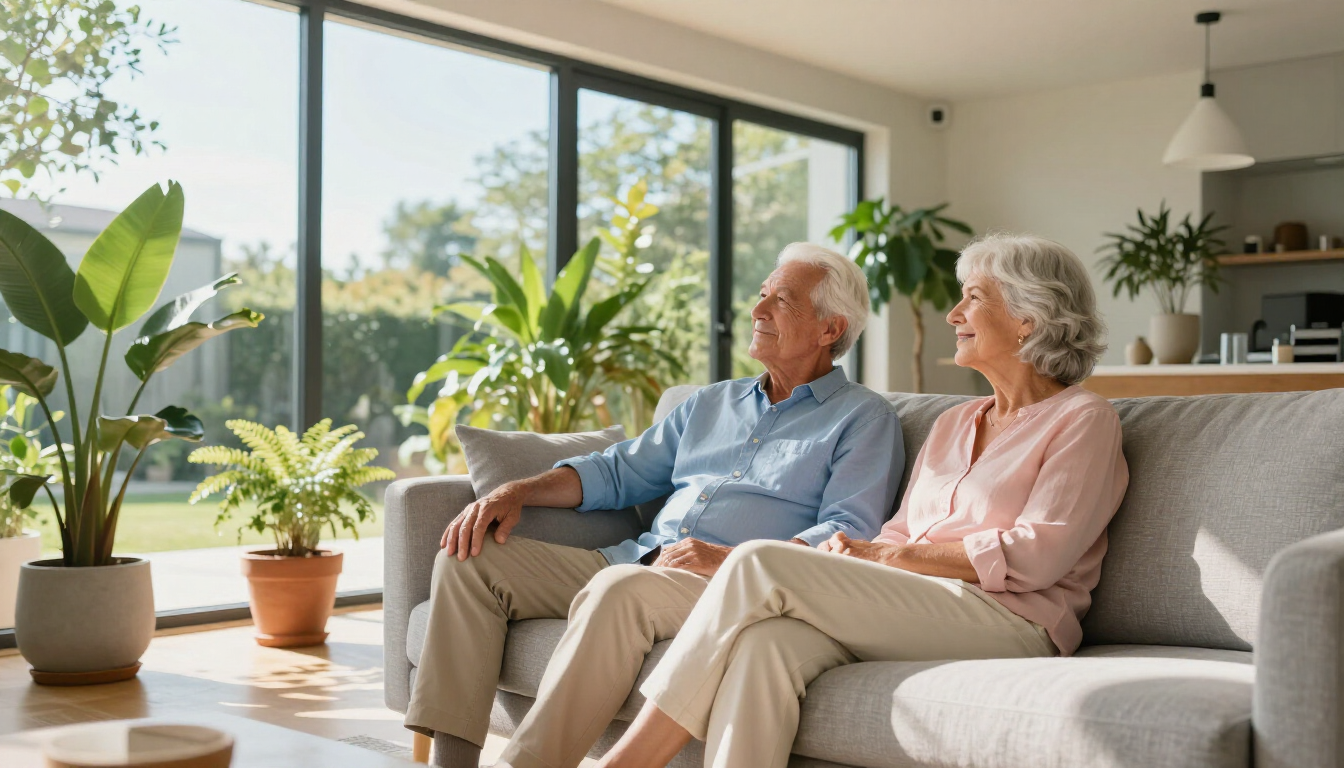
The balance to feel confident in your own home.
The endurance to enjoy outings without exhaustion.
Movement supports freedom — and freedom is one of retirement’s greatest gifts.
If you haven’t found an activity you enjoy yet, consider trying something new. Join a class. Invite a friend to walk. Explore a community center. Sometimes the hardest part is simply getting started.
Your body doesn’t need perfection. It needs consistency. And with the right approach, staying active after 60 can be one of the most rewarding investments you make in your retirement years.
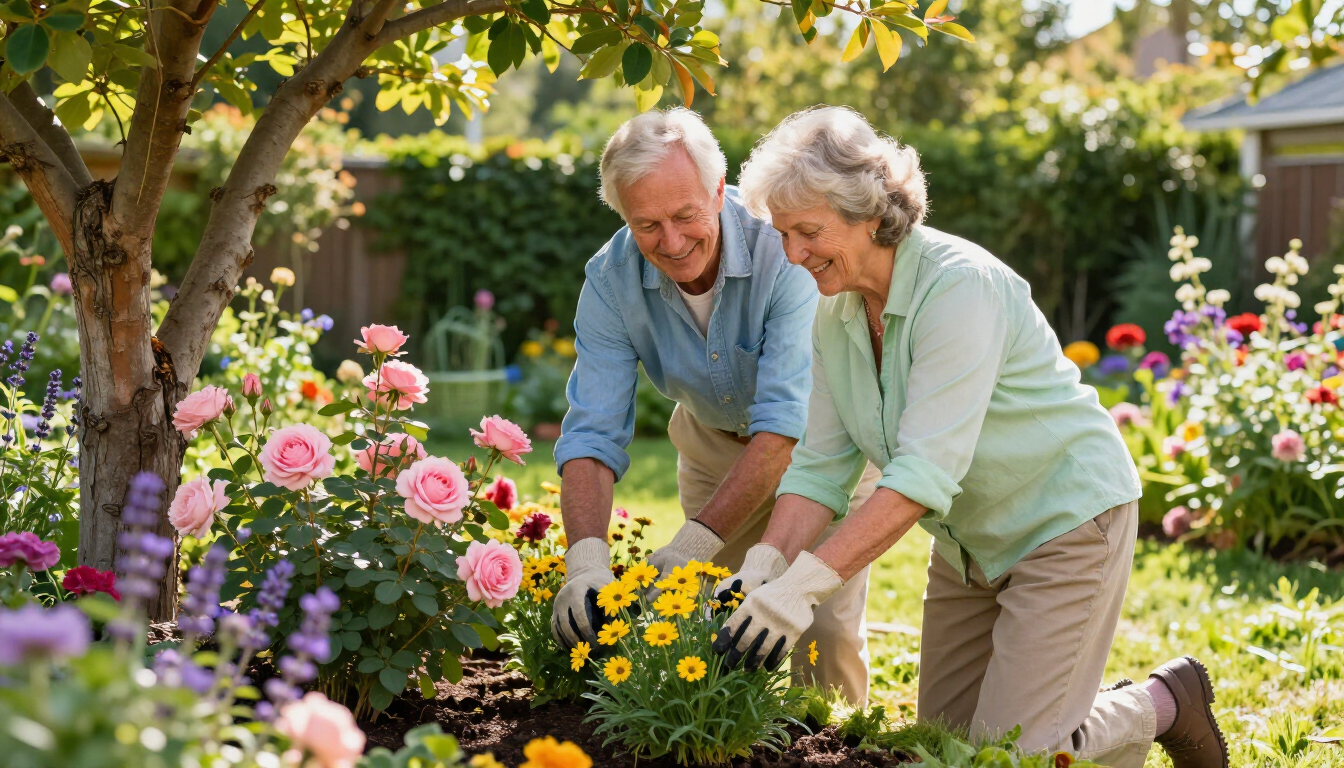
Staying active isn’t just about fitness — it’s about protecting your independence. The stronger and more balanced you feel, the more confidently you can move through your home and your daily routines. Simple things like climbing stairs, carrying laundry, gardening, or stepping into the shower safely all depend on strength, flexibility, and stability.
When you prioritize movement, you’re investing in your ability to remain comfortable and capable in the home you love. And for many people, that sense of independence — the ability to age in place on your own terms — is one of the most meaningful goals of retirement.